After a prostate cancer diagnosis, doctors may want to know how aggressive the cancer is and how likely it is to grow, spread, or come back after treatment. Traditional tools like PSA levels and Gleason scores provide important information but sometimes can’t fully capture the cancer’s behavior. That’s where genomic testing on prostate tissue comes in.
Decipher Test
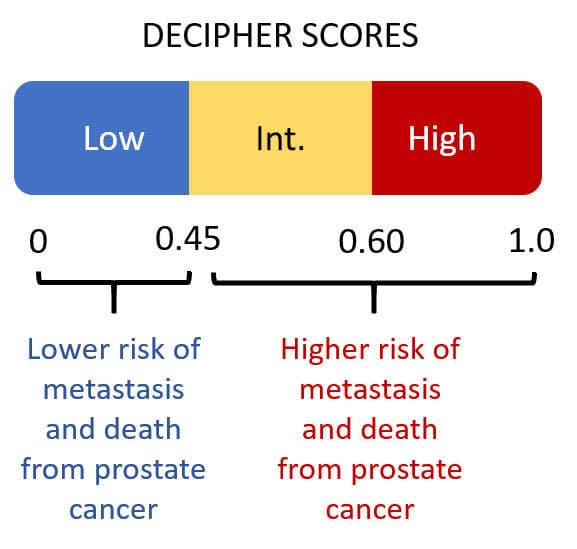
The Decipher test analyzes the activity of 22 genes in prostate tissue obtained from a biopsy or prostate surgery. These genes are involved in cancer growth, spread (metastasis), and recurrence. Based on the test, patients receive a genomic risk score—categorized as low, intermediate, or high risk—that can predict the likelihood of the cancer spreading within the next years.
Why is Decipher important?
It helps identify patients with aggressive disease who may benefit from additional treatments such as radiation or hormone therapy after surgery.
It also identifies patients with less aggressive cancer who might safely avoid or delay further treatments, sparing them from unnecessary side effects related to treatment.
Decipher can guide personalized treatment plans and follow-up strategies, improving outcomes and quality of life.
Prolaris Test:
The Prolaris test evaluates the expression of 31 genes related to cell cycle progression — essentially measuring how quickly cancer cells are dividing. This test provides a Prolaris Score that quantifies tumor aggressiveness.
Why is Prolaris important?
· It helps predict how fast the cancer may grow, assisting in decisions between active surveillance and active treatments.
· Prolaris adds valuable information beyond traditional clinical factors, especially when PSA or biopsy results are borderline.
· The test is useful both at diagnosis (biopsy samples) and after prostate removal (surgical tissue) to guide ongoing management.